About me
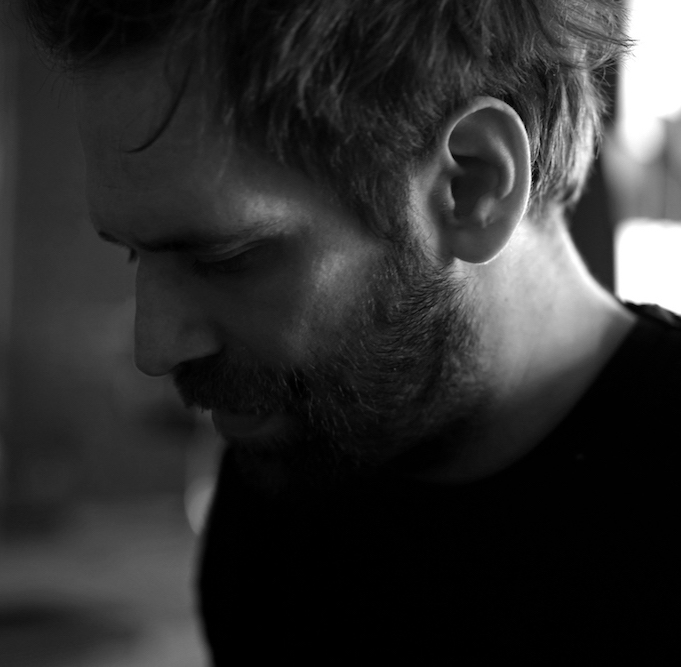
Alexander Muell is a German composer, arranger and producer. Born in 1977 in Münzenberg, Hesse, he began teaching himself guitar at the age of eight and by ten was already receiving private lessons at the Modern Music School. During his school years he played in various bands and composed music for theatre productions and musicals, which he also performed.
He studied in the USA from 2000–2005 and now lives in Berlin. He primarily composes and produces minimalist, instrumental and experimental music. He studied contemporary guitar with a focus on harmony, improvisation and composition at the Los Angeles Music Academy (LAMA), with Frank Gambale (guitarist with Chick Corea, among others). After graduating, Muell played in various bands, toured the American West and was a lecturer at Instrumental Music in Thousand Oaks, California.
Back in Germany, Muell taught guitar at the Berlin Modern Music School from 2005 to 2008, and studied audio engineering from 2007–2009 at Deutsche POP, which engaged him as a teacher for audio software in their Dorian Grey Studios. Since 2009 he has been composing and producing for media projects, film and television.
He collaborates with artists Felix Kiessling and Sebastian Kite, as well as film producers and directors including Daniel Acht, Nancy Biniadaki, Timo Jacobs and Rolf Roring. Several projects have received awards — among them the children's short film "Der Mond und ich" (2017) by Nancy Biniadaki, which won the Grimme Prize, and "Stand Up" by Timo Jacobs, awarded Best Score at the Focus International Film Festival (2021).
Alexander Muell is a member of the band Rhonda Star, where he performs as a multi-instrumentalist in the studio and on stage. He works with multiple sound sources — from piano, strings, guitar feedback and synthesizers to natural and everyday sounds (Musique Concrète) — which he shapes through digital editing, effects or Max/MSP. Using percussion and other driving instruments, he keeps the frame small and intimate.
In collaboration with visual artists, the work often centres on the transformation of sound spaces in 3D or 2D — holding the visual work and sonic projections in balance, and the journey from melody to sound.